Nhlanhla Ndaba wishes to migrate JFF to the Joburg Theatre
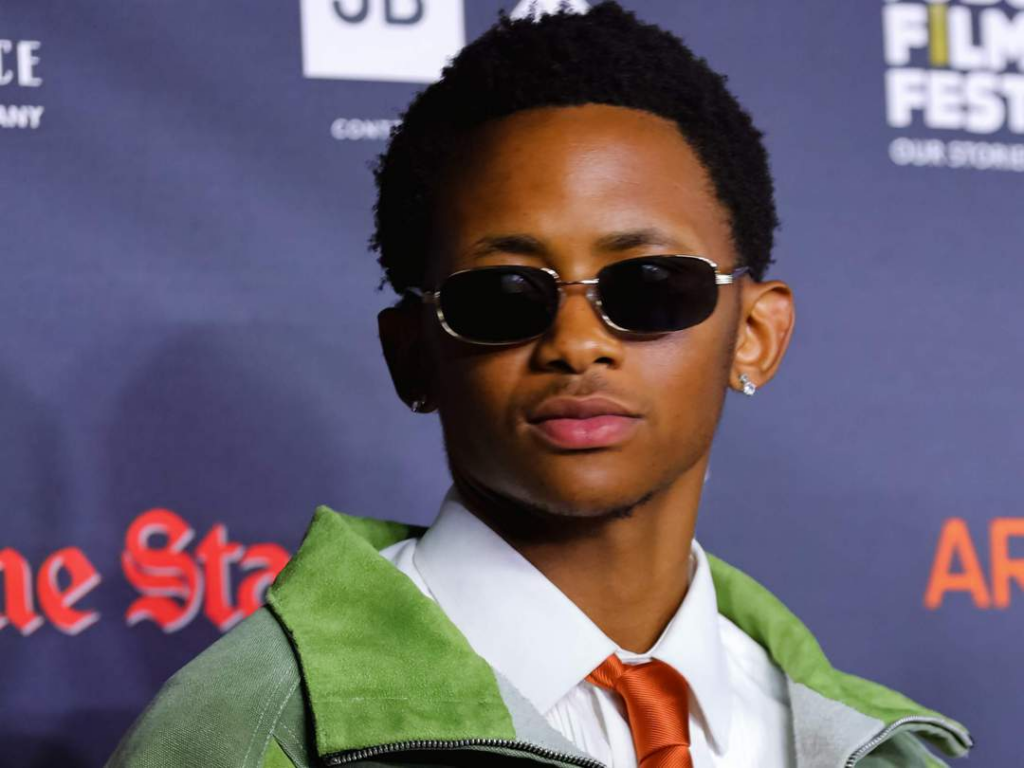
The Joburg Film Festival’s (JFF) eighth edition kicked off on Tuesday and after a week of film screenings, panel discussions and networking, the red carpet is being rolled out one last time today.
Film industry experts from all over Africa convened with global counterparts from France, the US and other parts of the world to celebrate their shared passion for all the elements of storytelling, particularly behind-the-scenes talent that doesn’t always get a seat at tables of the JFF’s calibre.
A different kind of spotlight
Explaining the thought process behind a festival that has been headlined by the likes of Malik Yoba, spotlighting make-up and wardrobe artists, editors and other such talent, JFF curator Nhlanhla Ndaba said the theme Feel the Frame aims to celebrate everyone who brings the frame to life.
Hollywood editor Eddie Hamilton, who worked on iconic productions such as Mission Impossible, X-Men: First Class and Top Gun: Maverick, was among the global headliners who led masterclasses this year.
Motlatle is the leading lady in the make-up room for Shaka iLembe, and led a panel discussion where she shared that she had designed Dingiswayo’s decapitated head and covered up a heavily tattooed actor with waterproof make-up in less than 45 minutes.
Hit or miss?
As is the case with any given venture, the 2026 JFF was not without its ups and downs.
Some of the young film makers who were in attendance found it demotivating that the networking sessions could be accessed by invitation only, citing that bringing international talent to their doorstep only to gatekeep these experts was a disservice to local youth.
They also bemoaned the logistical nightmare of spreading the festival across the Sandton Convention Centre, Hyde Park Corner and The Forge in Braamfontein.
The young talent regards the panel discussions held in Sandton as very educational, as they are facilitated by their local and international predecessors in the industry. However, as young film makers, they also feel that the short films being screened in Braamfontein would be beneficial, as these are produced by other emerging storytellers.
“Last year, we saw a play titled This Is Who I Am at The Market Theatre and we thought it’d be interesting to bring it to the JFF and tie it up with some of our short programmes,” said Ndaba.
Addressing the concern about venues, Ndaba said this was about accessibility, explaining that Rosebank was JFF’s first home, with some of the films being screened at a theatre in Alexandra township, which has since closed down.
“There was a perception that the JFF is for the elite and is unreachable, but we want people to know it belongs to the residents of Johannesburg.”
The bigger picture
Ndaba’s long-term vision is to encompass various art forms within a film festival, and judging by the JFF’s growth over the past few years, it’s not impossible to imagine this prospective evolution.
In 2024, the festival screened less than 90 films; last year, this number grew to just above 100, and this year, audiences had nearly 140 films to choose from.
While he couldn’t quantify the South African productions, Ndaba expressed pride in how African films accounted for more than 60% of the content.
This year’s opening film, Laundry, starring Siyabonga Shibe and Ntobeko Sishi, was a major downgrade from the emotional rollercoaster that was last year’s Ernest Cole: Lost and Found, which had viewers on the edge of their seats with revelations about how Cole changed his name to escape his country of birth, his love life in exile, the discovery of his archives and his family’s determination to bring these home.
Laundry, on the other hand, failed to complement its great cinematography, captivating locations and emotive music with a gripping script.
Where wives of philandering husbands can sometimes be despondent, their sons often assume the fury and disappointment on their behalf.
There was too much “tolerance” between black and white people for a film set in 1960s South Africa, and “okay” is an unusual reaction to a man finding out that his son was responsible for his mistress’ death.
Bluntly put, the script was flat and anticlimactic.
The 2026 JFF may not have been perfect, but the local film industry appreciated how it took a stronger and more unapologetic approach to addressing irregularities in the sector.
There was even a panel discussion about the discrepancies in the film industry rebate that was central to the Save SA Film Jobs protest in January.
Despite being underfunded, patrons of the arts can take pride in knowing that the JFF does pay creatives whose films it screens.
Article by Mbali Mbatha for https://www.news24.com/